If you’re in Australia planning your next tropical trip, Bali is probably the first destination that comes to mind. It’s familiar, well-marketed, and easy to understand. Cebu, on the other hand, doesn’t have that same automatic recognition. Most Australians don’t grow up hearing about it the way they do Bali. But that doesn’t mean Cebu shouldn’t be on your radar!
My name is Angie and I run a transport business with my husband here in Cebu, so we see Australian travellers arrive regularly. Some are excited. Some are cautiously optimistic. A few openly admit they booked Cebu because they “wanted something different from Bali.” By the end of their trip, most of them tell us they didn’t expect the island to be as diverse or as rewarding as it turned out to be, which is really very lovely to hear!
So is Cebu worth visiting from Australia? The honest answer is YES – if you understand what kind of experience you’re signing up for.
How Big Is Cebu Island? Why It’s Very Different from Bali
If you’re expecting a compact resort island with seamless infrastructure, Cebu will feel different.
From Maya Port in the north to Santander Port in the south, Cebu stretches over 270 kilometres. Driving the full length can take 7 to 8 hours, depending on traffic and road conditions.
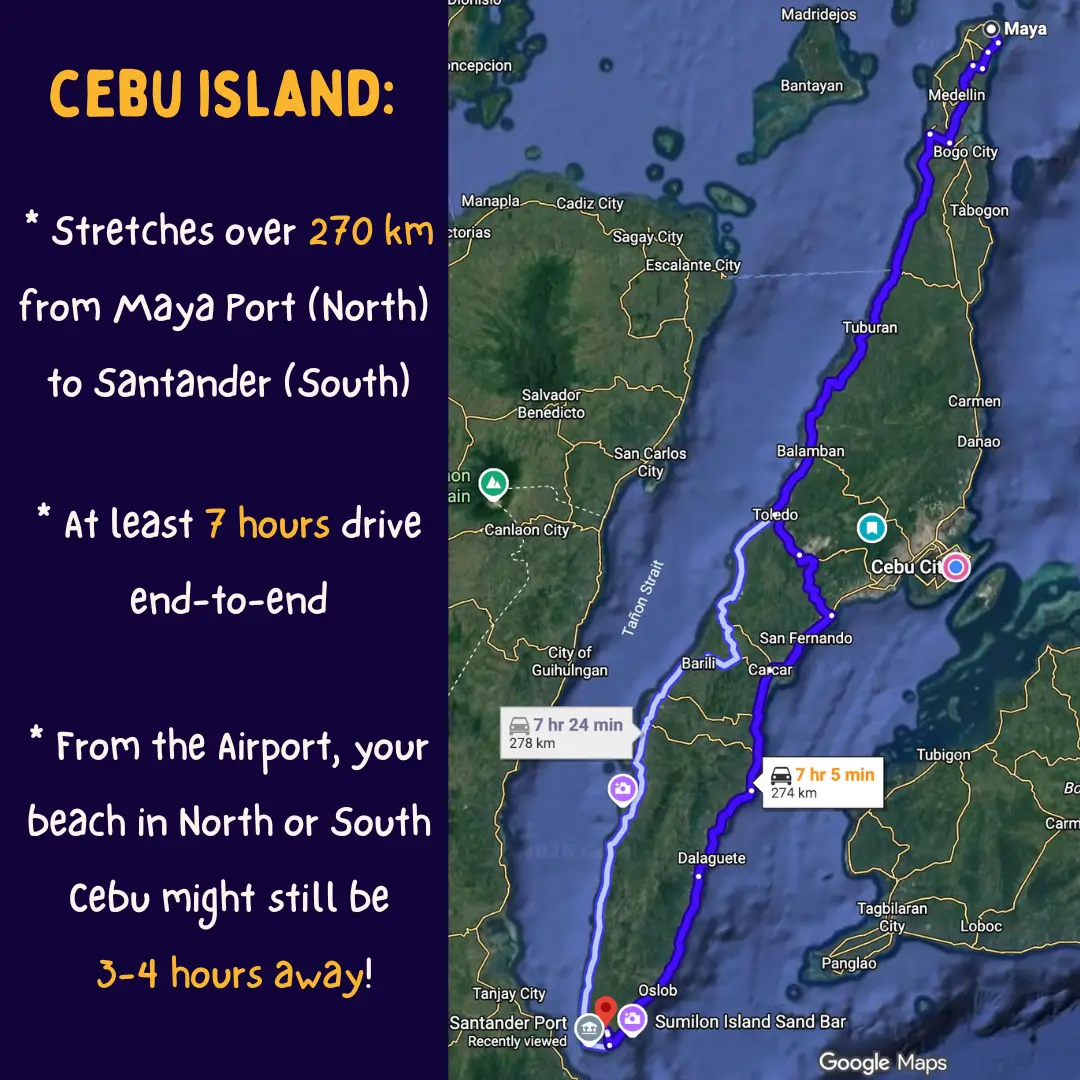
Along the way, you’ll pass coastal highways, mountain roads, port towns, farming communities, dive villages, and waterfall jump-off points.
Cebu City, the second-largest city in the Philippines after Manila, is the commercial hub of the region. The international airport, however, sits across the bridge on Mactan Island in Lapu-Lapu City, not in Cebu City itself.
For Australians flying in, that matters. You land in Mactan, then may still travel several hours north or south to reach your beach destination. For example:
- Airport to Moalboal: roughly 3 to 4 hours
- Airport to Oslob: around 4 to 5 hours
- Airport to Maya Port (jump-off for Malapascua): 3 to 4.5 hours
- Airport to Hagnaya Port (jump-off for Bantayan Island): 3 to 4 hours
Traffic, road conditions, and ferry schedules all influence these estimates. Google Maps does not always capture the full picture. This does not make Cebu difficult, but it does mean logistics matter more here than in compact resort islands.
What Makes Cebu Worth The Trip From Australia?
1. You Can Build a Genuinely Varied Itinerary
One of Cebu’s strongest advantages is that you can experience multiple types of landscapes and activities without needing domestic flights between islands. In a typical 10 to 14-day Cebu holiday from Australia, you can comfortably combine north and south.
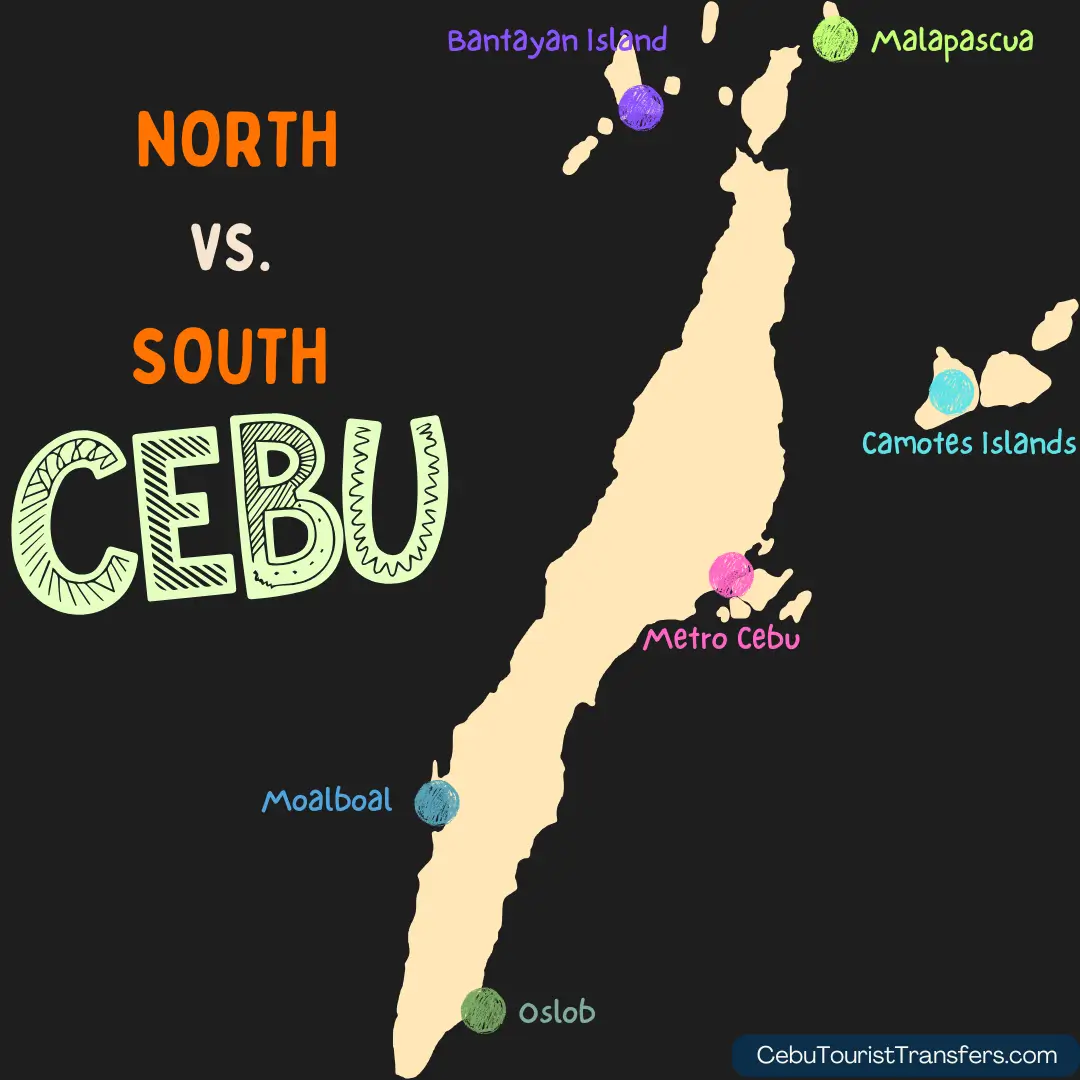
In North Cebu, particularly in Bantayan and Malapascua, the pace slows down. You’ll find white sand beaches, clear water, small beach bars, and dive operations that feel intimate rather than commercial. These areas are ideal if you want proper beach time without heavy development.
In South Cebu, the energy shifts. Moalboal offers accessible snorkelling with sea turtles and the famous sardine run just offshore. Oslob attracts visitors interested in whale shark encounters. Badian and the surrounding mountains are known for waterfalls and canyoneering at Kawasan Falls.
This mix means your holiday doesn’t feel repetitive. You’re not confined to one resort zone for two weeks. You can change the tone of your trip without reorganising flights or drastically increasing costs.
2. Your Travel Budget Stretches Further Than Expected
One of the reasons Australians start looking at Cebu in the first place is value. It isn’t “cheap” in every scenario. You can absolutely spend lots of money here if you choose five-star beachfront resorts and dine exclusively inside them. What Cebu offers, though, is flexibility. You can scale your experience up or down without feeling like you’re compromising too much.
Accommodation
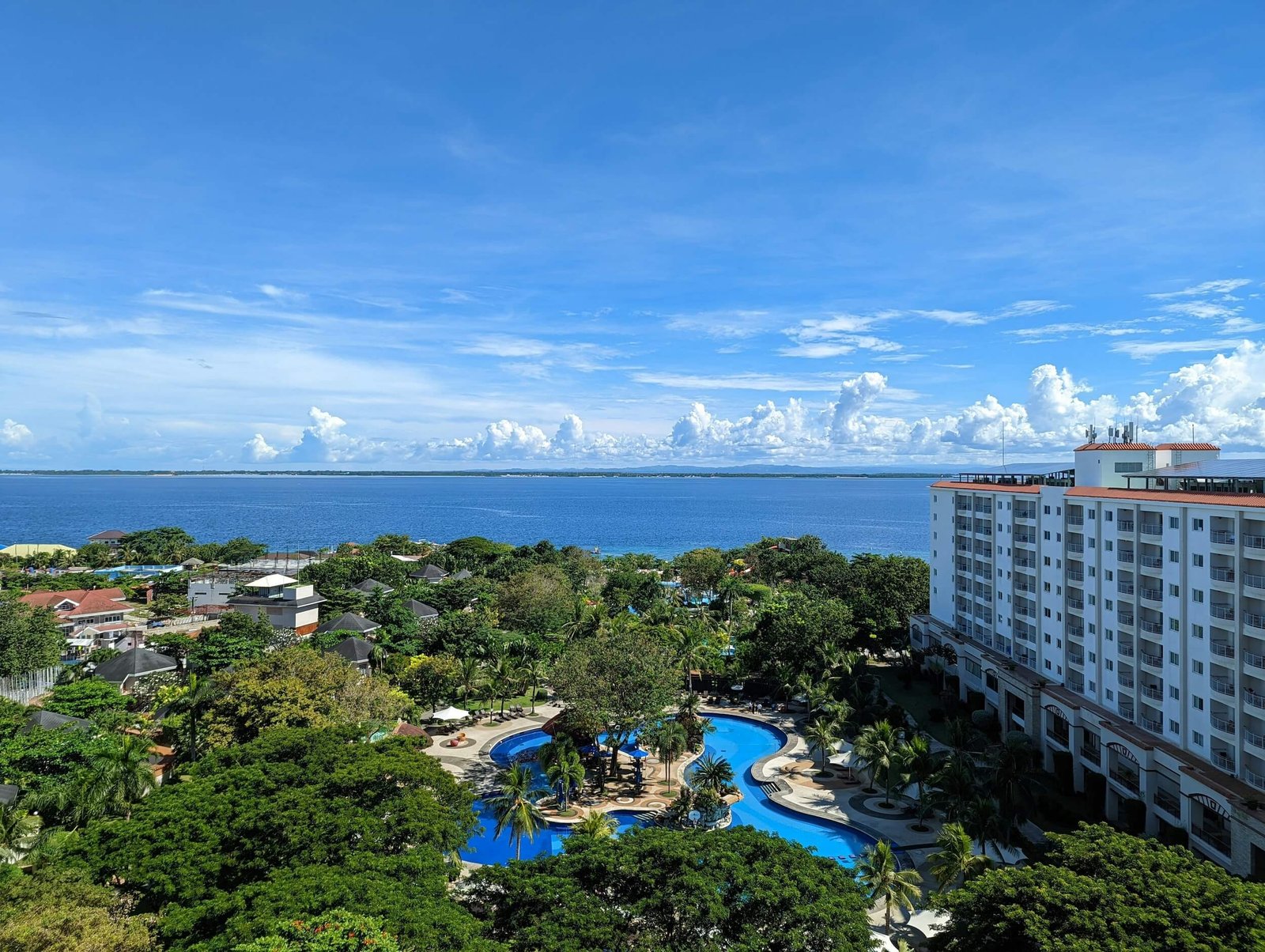
Cebu’s accommodation range is wide. In beach areas like Moalboal, Bantayan, or Malapascua, you can typically find comfortable, well-located stays in the AUD 70 to 150 per night range. Boutique resorts and nicer beachfront properties usually fall between AUD 120 and 200.
At the higher end, particularly in Mactan (where the airport is), resorts such as Shangri-La, Crimson, Jpark, Bluewater, and Plantation Bay can range from AUD 300 to 600+ per night depending on season and room type. Peak holiday periods push those rates even higher.
The good news is you don’t need to stay in high-end resorts to enjoy strong beach access and good water conditions. Many mid-range properties still sit in excellent locations.
Food and Drinks
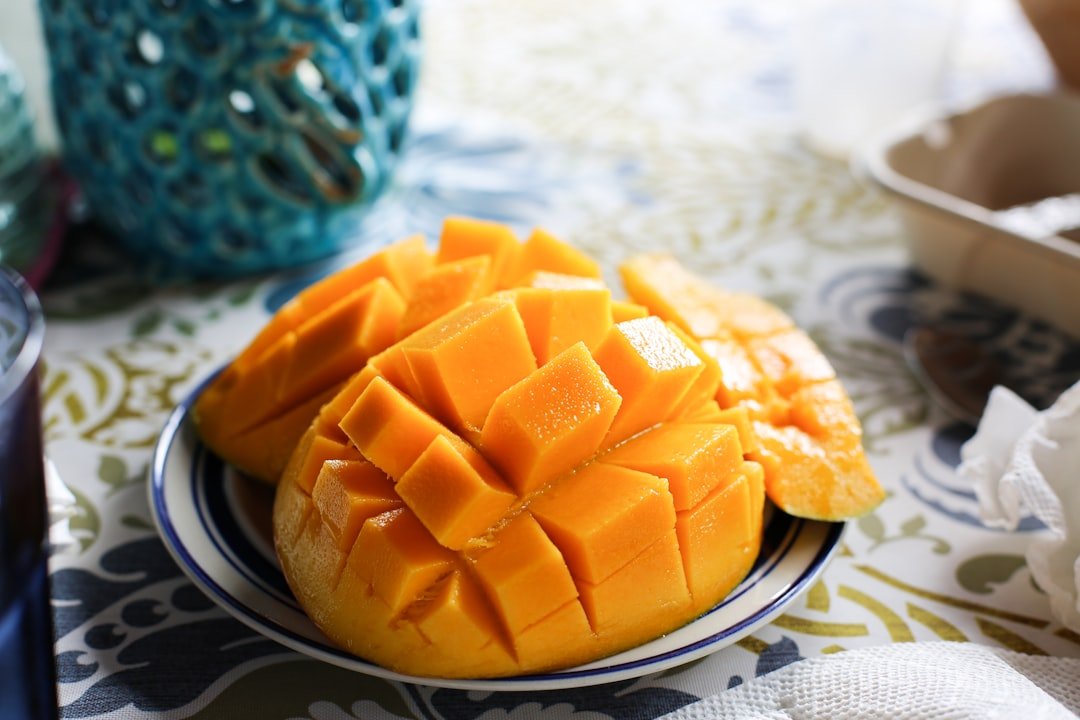
Food is where many Australians feel the value immediately. Local meals can cost less than a takeaway coffee back home. Casual restaurants typically sit in the AUD 10 to 20 range per person. Even nicer sit-down dinners often remain under AUD 30 to 40 per person unless you are dining inside a premium resort or restaurant.
If you stay inside five-star properties and order cocktails daily, your food and drink budget will reflect that. But if you mix resort meals with local dining, your overall spend should remain manageable.
Tours and Activities
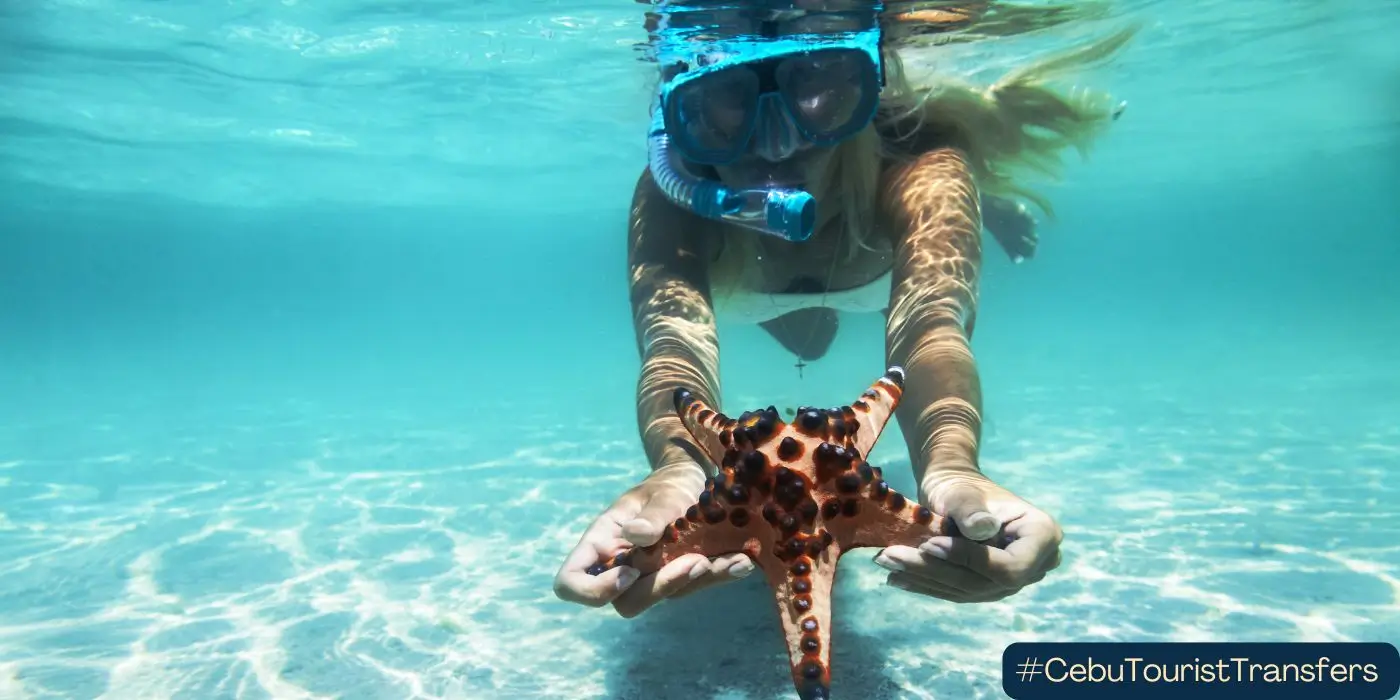
Cebu is activity-driven, and that’s where a lot of visitors allocate their budget.
Here are some typical price ranges:
- Island hopping trips: AUD 30 to 70 per person
- Canyoneering at Kawasan Falls: AUD 50 to 80
- Snorkelling tours: often AUD 20 to 40
- Whale shark encounters in Oslob: generally under AUD 50
- Dive trips in Malapascua: AUD 50 to 100+ depending on gear rental
Compared to heavily commercialised destinations, these prices often feel reasonable relative to the experience.
Transport and Travel Days
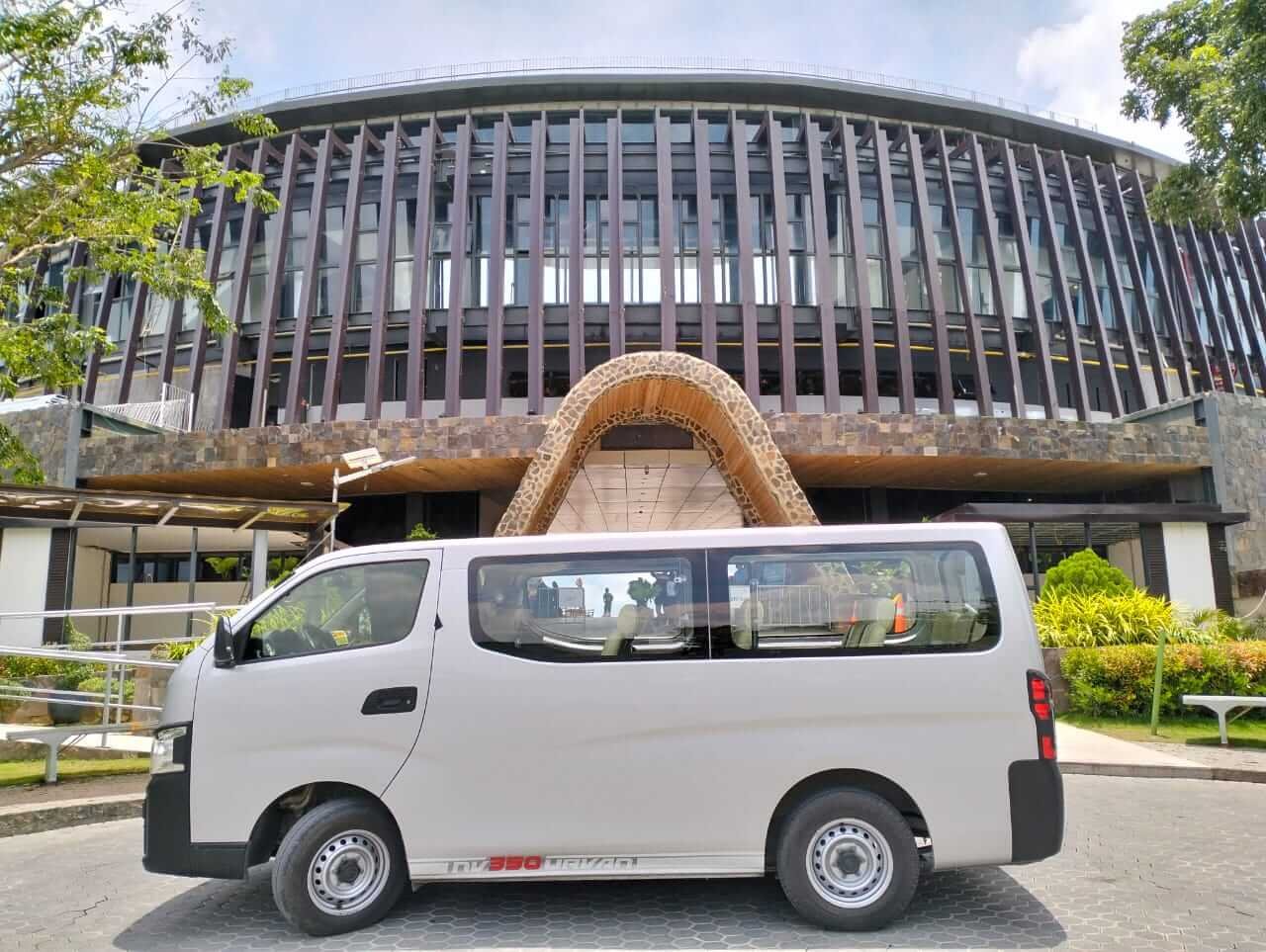
This is one area Australians sometimes underestimate. Cebu is long, and moving between north and south requires proper planning.
Short rides within Cebu City are inexpensive. Longer routes — such as airport to Moalboal, Oslob, or Maya Port — are a different calculation. Whether you choose public transport, private transfers, or rental vehicles will significantly affect your daily spend.
Because travel days can take several hours, many visitors prioritise comfort on these legs of the trip, which is where we can help you! Our Cebu Airport Transfer Guide should give you an idea of why a private transfer is well worth the cost.
Other Costs to Factor In
There are also smaller expenses that add up:
- Environmental or island fees
- Boat tickets to islands like Malapascua or Bantayan
- Snorkel gear rental
- SIM cards and mobile data
- Travel insurance
Cebu lets you tailor your spending more easily than many Australians expect. That flexibility is often what makes travellers say their budget stretched further than expected.
3. Marine Life Is Accessible Whether You Go North or South
Based on what I’ve heard from Aussie friends and clients, you guys are not easily impressed by beaches. You do have some of the best coastlines and reefs in the world, so simply saying “clear water” doesn’t move the needle.
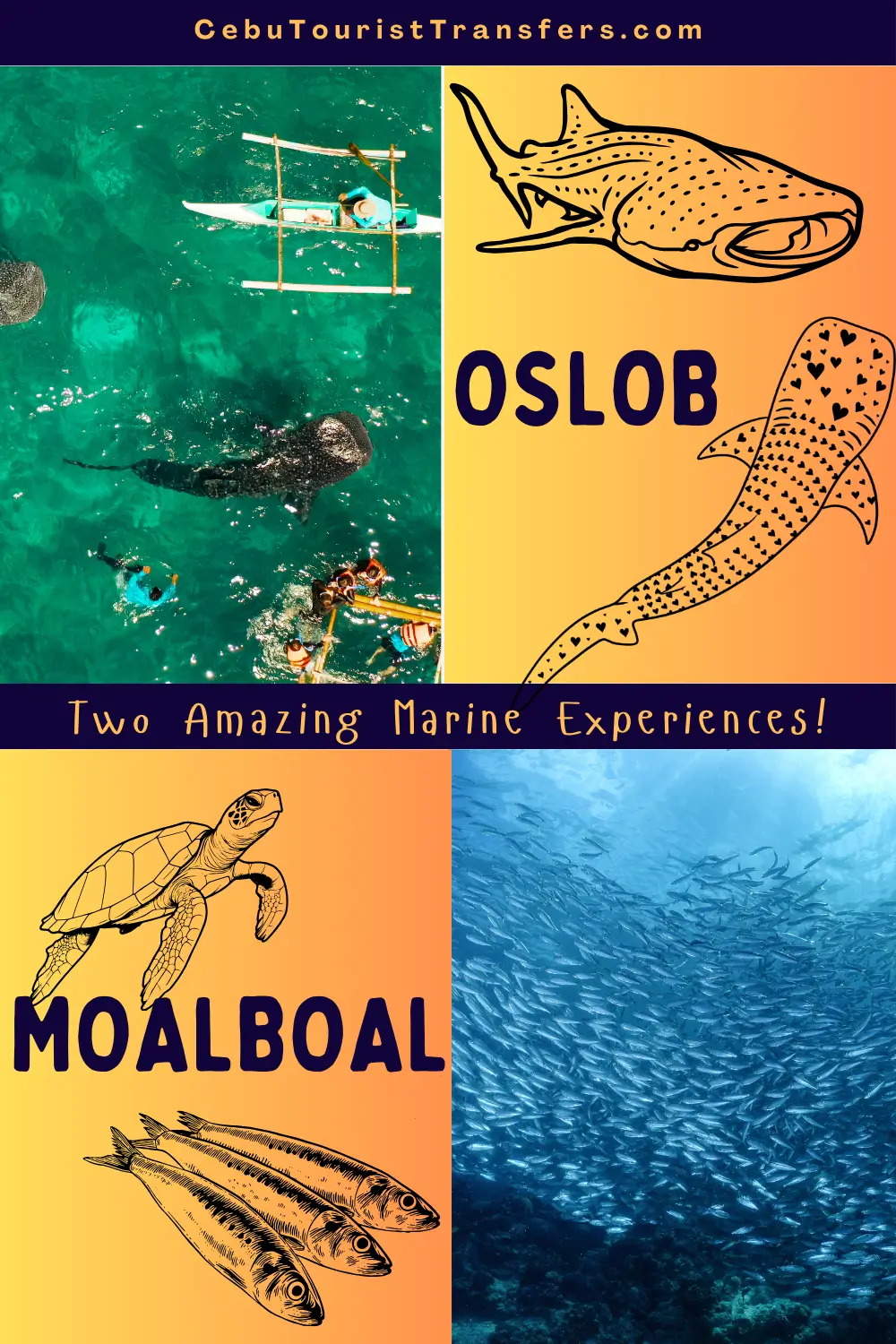
What surprises many Australian travellers in Cebu is not just the quality of marine life, but how accessible it is.
Let’s start with South Cebu!
In Moalboal, you can literally walk into the water from shore and see sea turtles. You don’t need to book a boat or travel offshore. The sardine run (millions of sardines moving in tight formations) happens just metres from the beach. It feels dramatic, but logistically, it’s simple.
Further south in Oslob, visitors come for whale shark encounters. It’s one of the few places in the world where you can see whale sharks so consistently. It’s also one of the more debated experiences, and it’s worth researching in advance to decide how you personally feel about it. But from a purely practical standpoint, the accessibility is unmatched. You can see something extraordinary without needing advanced diving certifications or expensive liveboards.
On the other hand, in North Cebu….
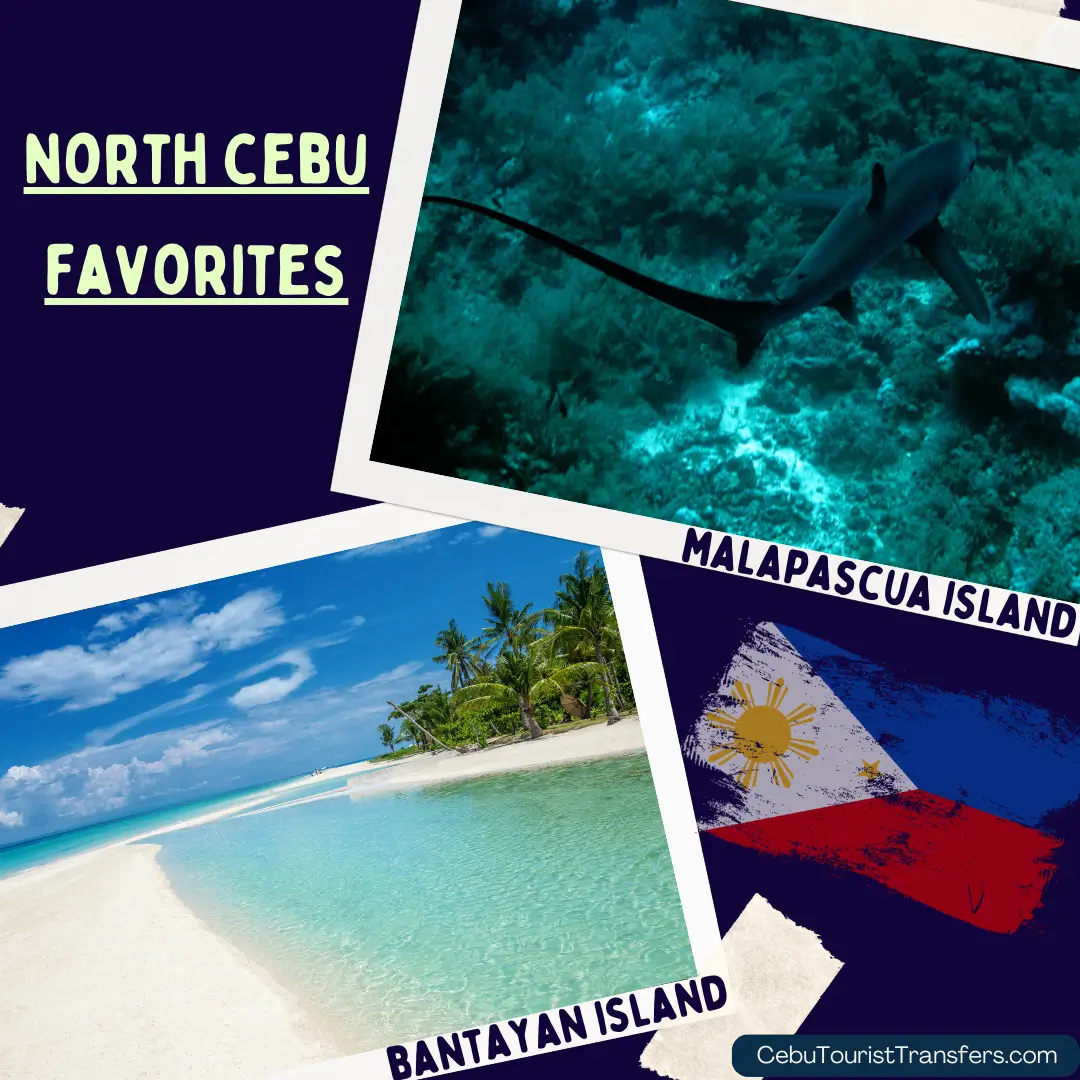
Malapascua is known globally among divers for thresher sharks. It’s one of the rare places where sightings are reliable enough that divers travel specifically for it.
Then there’s Bantayan Island, which is less about dramatic marine encounters and more about relaxed, swimmable waters. The reefs around Bantayan are not as famous as Moalboal’s sardine run or Malapascua’s shark dives, but the island offers calm, clear water that’s ideal for casual snorkelling and easy swimming. It’s the kind of place where you can spend hours in the water without it feeling like an organised activity.
What makes Cebu different from some other destinations is that you don’t always need complex logistics to experience marine life. In many cases:
- You don’t need to travel far offshore.
- You don’t need expensive dive packages.
- You don’t need to dedicate an entire day to a single activity.
For Australian travellers who want memorable ocean experiences without heavy planning, that simplicity becomes a major advantage.
So, How Do You Get Around Cebu?
Within Cebu City, taxis and ride-hailing services such as Grab work well. Outside the metro area, options become more limited.
Public buses are available and inexpensive but can be slow and crowded, especially with luggage. Renting a car is possible, though driving conditions may feel unfamiliar to first-time visitors.
For longer routes, particularly from the airport to North or South Cebu, many Australian travellers choose to pre-arrange transport. This is less about luxury and more about predictability. After ten or more hours of travel from down under, most people simply want to reach their accommodation without negotiating fares or managing multiple transfers.

The picture above shows some of the vehicles we use for private transfers. Here are some advantages of booking a private transfer with us:
- Know your assigned vehicle and driver in advance
- Fixed pricing agreed ahead of time (no hidden charges)
- Flight tracking if your arrival is delayed
- Direct door-to-door service
- English-speaking drivers
👉 Check out what our guests have to say about our private transfer service!
How to Get to Cebu From Australia
1) Direct Flights from Brisbane to Cebu
If you’re flying from Brisbane, Cebu is one of the easiest tropical island destinations in Southeast Asia to reach.
Jetstar Airways’ direct flight takes approximately 7 hours, meaning you can leave Queensland in the morning and land in Cebu in time for dinner.
This avoids the need to transit through Manila, which many first-time Philippines travellers worry about.
For Queensland travellers, this makes Cebu comparable in flight time to Bali, but often with less airport congestion and fewer transfer hassles.
2) One-Stop Flights from Other Australian Cities
From Sydney, Melbourne, Perth, and Adelaide, the most common routes involve one stop via:
• Manila
• Singapore
Total travel time typically ranges between 10 to 14 hours, depending on layover length. Compared to other tropical destinations, this is very manageable, especially given the price differences once you arrive.
Is Cebu Safe for Australian Travellers?
Cebu’s main tourist areas are generally visitor-friendly, and English is widely spoken. That alone reduces a lot of travel friction for Australians.
As with any destination, standard precautions apply:
- Be aware of your surroundings
- Use reputable transport
- Avoid isolated areas late at night
Most Australians I meet report positive interactions and describe locals as welcoming and helpful.
So, Is Cebu Worth Visiting From Australia?
Cebu is not trying to compete with Bali’s polished resort infrastructure. It offers something slightly different: diversity, accessibility to marine life, and a mix of landscapes within one province. English is widely spoken, which makes communication straightforward. Costs remain reasonable compared to many competing destinations.
If you value variety, don’t mind that things feel less packaged, and enjoy combining beach time with more active experiences, Cebu is well worth considering.
If you prefer seamless, highly curated resort corridors where everything runs like clockwork, another destination might suit you better (check out Boracay instead).
For many Australians I’ve met here, Cebu ends up exceeding expectations precisely because it doesn’t feel overproduced. It feels real.